Comprehensive Guide to Sustainable Manufacturing Practices in Delaware


The manufacturing industry is at a pivotal moment, with sustainability becoming a crucial focus. Delaware, known for its diverse industrial base, is taking significant steps to incorporate sustainable practices in manufacturing. This guide delves into the various methods and strategies being adopted across the state to ensure a greener future.
Understanding Sustainable Manufacturing
Sustainable manufacturing involves producing goods using processes that minimize negative environmental impacts, conserve energy and resources, and are safe for employees, communities, and consumers. In Delaware, manufacturers are increasingly adopting these practices to not only comply with regulations but also to contribute to a healthier planet.
Energy Efficiency Initiatives
One of the primary areas of focus is improving energy efficiency. Delaware manufacturers are investing in advanced technologies to reduce energy consumption. This includes utilizing energy-efficient machinery, implementing smart manufacturing processes, and integrating renewable energy sources such as solar and wind.
- Installation of energy-efficient lighting systems
- Use of high-efficiency HVAC systems
- Implementation of energy management systems
Waste Reduction Strategies
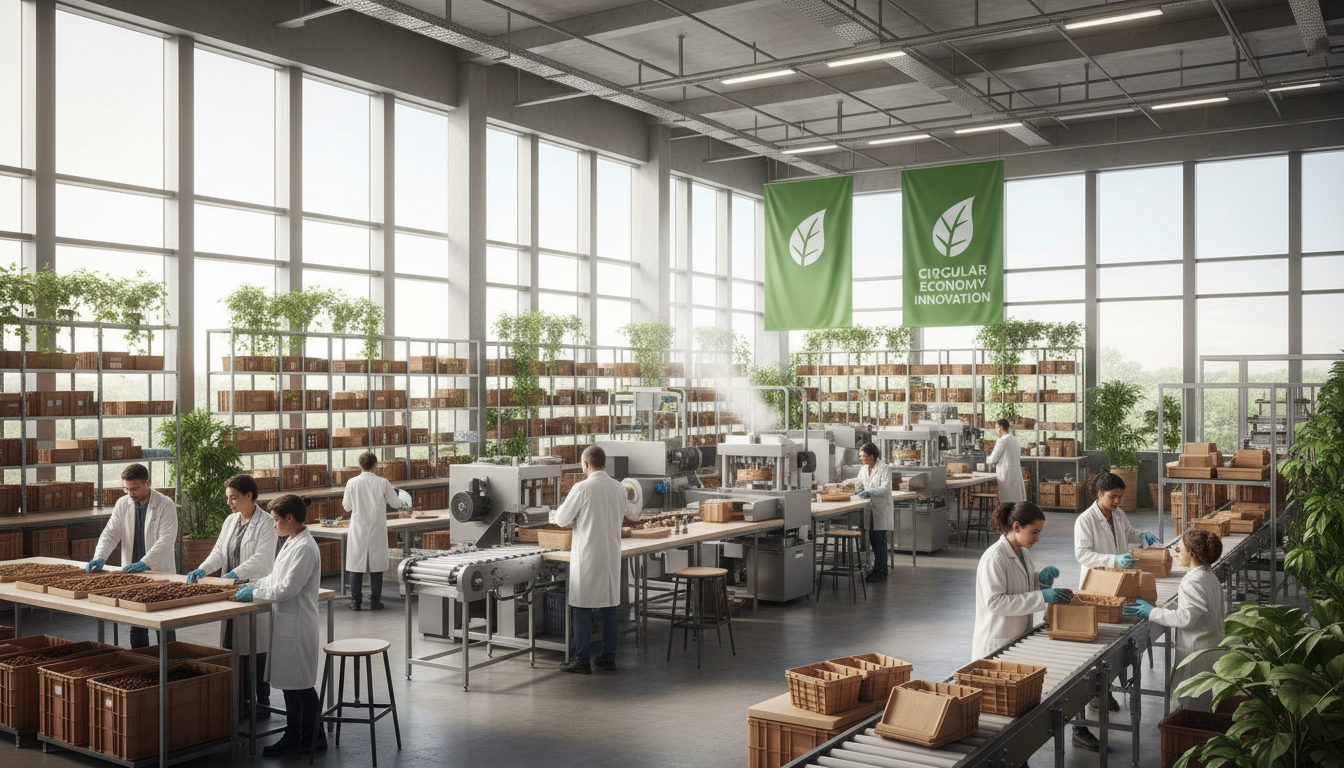
Reducing waste is another critical aspect of sustainable manufacturing. Delaware companies are adopting circular economy principles, where waste materials are reused, recycled, or repurposed. This not only reduces landfill contributions but also cuts costs and improves operational efficiency.

Manufacturers are implementing programs to reduce material waste through better design and production processes. Additionally, partnerships with local recycling facilities are helping to ensure that materials are effectively reused.
Water Conservation Techniques
In Delaware, water conservation is a priority, given the environmental and economic benefits it brings. Manufacturers are employing techniques such as closed-loop water systems and water recycling processes to minimize usage and reduce waste.
- Implementation of water-efficient fixtures and appliances
- Adoption of advanced water treatment technologies
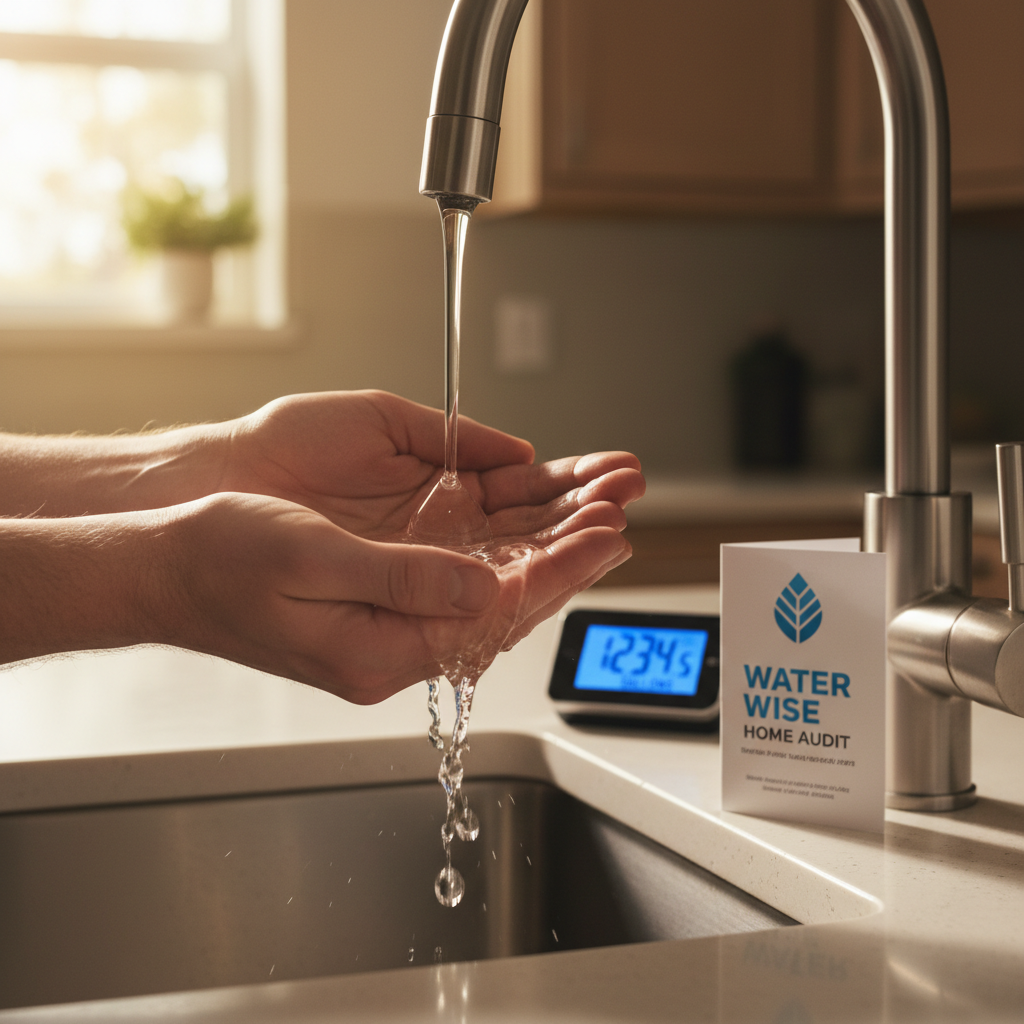
- Regular water audits to identify areas of improvement
Benefits of Sustainable Practices
Adopting sustainable manufacturing practices offers numerous benefits. These include reduced operational costs, improved brand reputation, compliance with regulations, and a positive impact on the environment. For Delaware manufacturers, these benefits translate into a competitive advantage in the marketplace.
Furthermore, sustainable practices lead to healthier working environments, which boost employee morale and productivity. By prioritizing sustainability, Delaware manufacturers are not only enhancing their business performance but also contributing to the community's well-being.
Challenges and Future Outlook
Despite the benefits, there are challenges in implementing sustainable practices. These include the initial investment costs, technological barriers, and the need for ongoing education and training. However, with continued innovation and support from state initiatives, these challenges are being addressed.

Looking ahead, Delaware's commitment to sustainable manufacturing is expected to grow. As technologies advance and awareness increases, manufacturers will continue to explore new ways to reduce their environmental footprint, ensuring a sustainable future for the industry and the community.