Emerging Trends in Supply Chain Management for 2023 and Beyond


Introduction to Emerging Trends
The supply chain management landscape is evolving rapidly. As we move into 2023 and beyond, businesses must stay ahead of the curve to maintain competitiveness. Understanding the emerging trends is crucial for adapting strategies and operations effectively.

Integration of Artificial Intelligence
Artificial Intelligence (AI) continues to revolutionize supply chain processes. From predictive analytics to automated decision-making, AI enables more efficient and accurate operations. Companies leveraging AI can expect improved demand forecasting and inventory management.
AI also facilitates enhanced supply chain visibility, allowing businesses to respond swiftly to disruptions. This trend is pivotal for reducing costs and improving customer satisfaction.
Focus on Sustainability
Sustainability is no longer just a buzzword; it is a fundamental aspect of supply chain management. Companies are increasingly adopting sustainable practices to meet consumer demand and regulatory requirements. This includes reducing carbon footprints and utilizing eco-friendly materials.
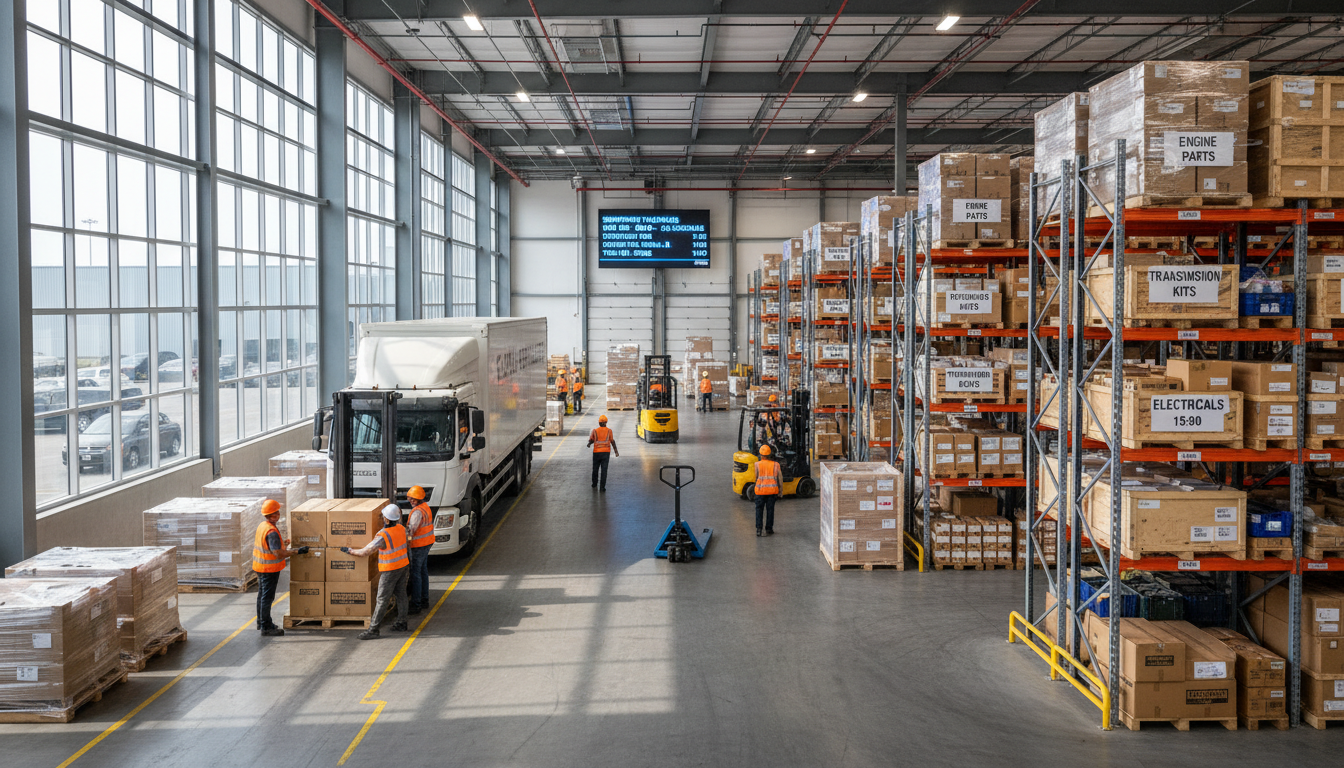
Investing in renewable energy sources and optimizing transportation routes are among the strategies being implemented. These efforts not only help the environment but also enhance brand reputation and customer loyalty.
Digital Twins Technology
Digital twins are virtual replicas of physical assets, processes, or systems. They provide a powerful tool for supply chain management by allowing businesses to simulate scenarios and optimize operations. This technology aids in identifying potential bottlenecks and improving decision-making.
By enabling real-time monitoring and predictive maintenance, digital twins contribute to increased efficiency and reduced operational risks.

Blockchain for Enhanced Transparency
Blockchain technology is gaining traction in supply chain management due to its capability to enhance transparency and traceability. By creating an immutable record of transactions, blockchain ensures data integrity and builds trust among stakeholders.
- Improved traceability of products
- Increased security in transactions
- Enhanced compliance with regulations
Resilience and Risk Management
The recent global disruptions have highlighted the need for resilient supply chains. Companies are focusing on risk management strategies to mitigate vulnerabilities. Diversifying supplier bases and investing in local sourcing are common practices being adopted.
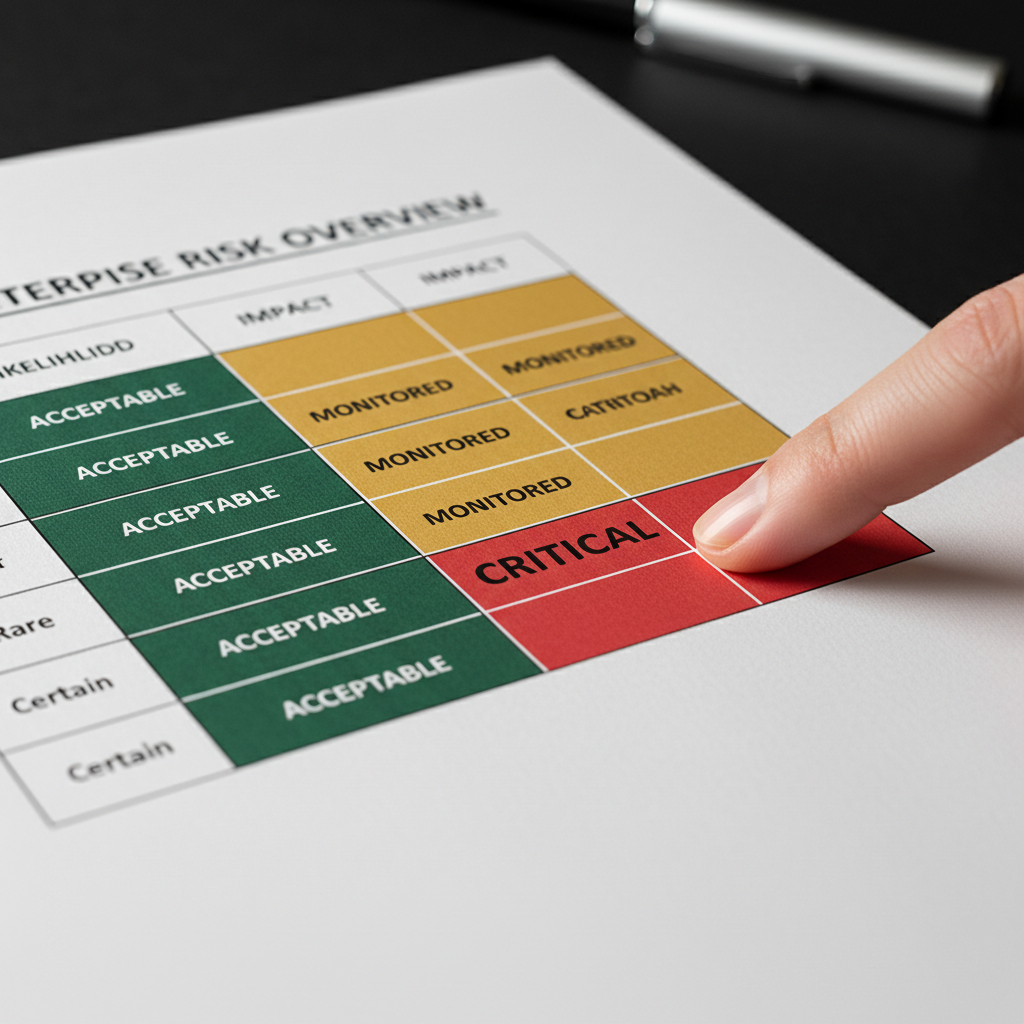
Additionally, businesses are utilizing advanced analytics to identify potential risks and prepare contingency plans, ensuring continuity and stability.
Conclusion
As we look to the future, these emerging trends in supply chain management are set to shape the industry's landscape. By embracing technologies like AI, digital twins, and blockchain, and prioritizing sustainability and resilience, companies can position themselves for success in an ever-changing environment.