Expert Insights: The Future of Manufacturing Process Optimization


Understanding the Current Landscape
The manufacturing industry is undergoing a significant transformation, driven by technological advancements and changing market demands. This evolution is pushing companies to rethink how they optimize their processes to stay competitive. As we look towards the future, it's crucial to understand the current landscape and the factors influencing these changes.
Manufacturing process optimization involves the strategic use of resources to improve efficiency and output. This often requires integrating cutting-edge technology and innovative practices. With globalization and market competition increasing, companies are focusing on reducing waste and improving productivity to maintain a competitive edge.
Embracing Advanced Technologies
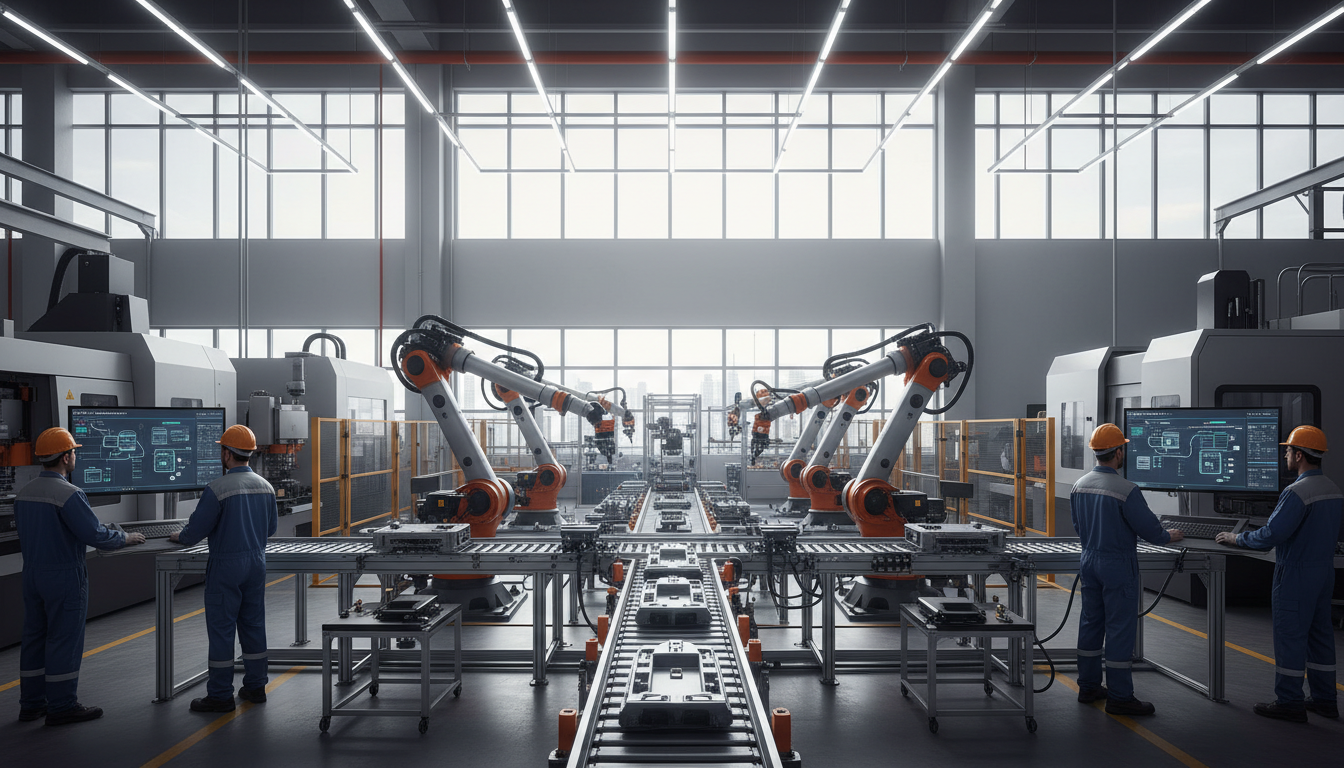
One of the most significant trends in manufacturing process optimization is the adoption of advanced technologies. Technologies like the Internet of Things (IoT), artificial intelligence (AI), and machine learning are becoming integral to modern manufacturing strategies. These tools help manufacturers collect and analyze data to make informed decisions.
For instance, IoT devices can monitor equipment performance in real-time, allowing for predictive maintenance and reducing downtime. AI and machine learning algorithms can analyze vast amounts of data to identify patterns and optimize workflows, leading to increased efficiency and reduced costs.
The Role of Automation
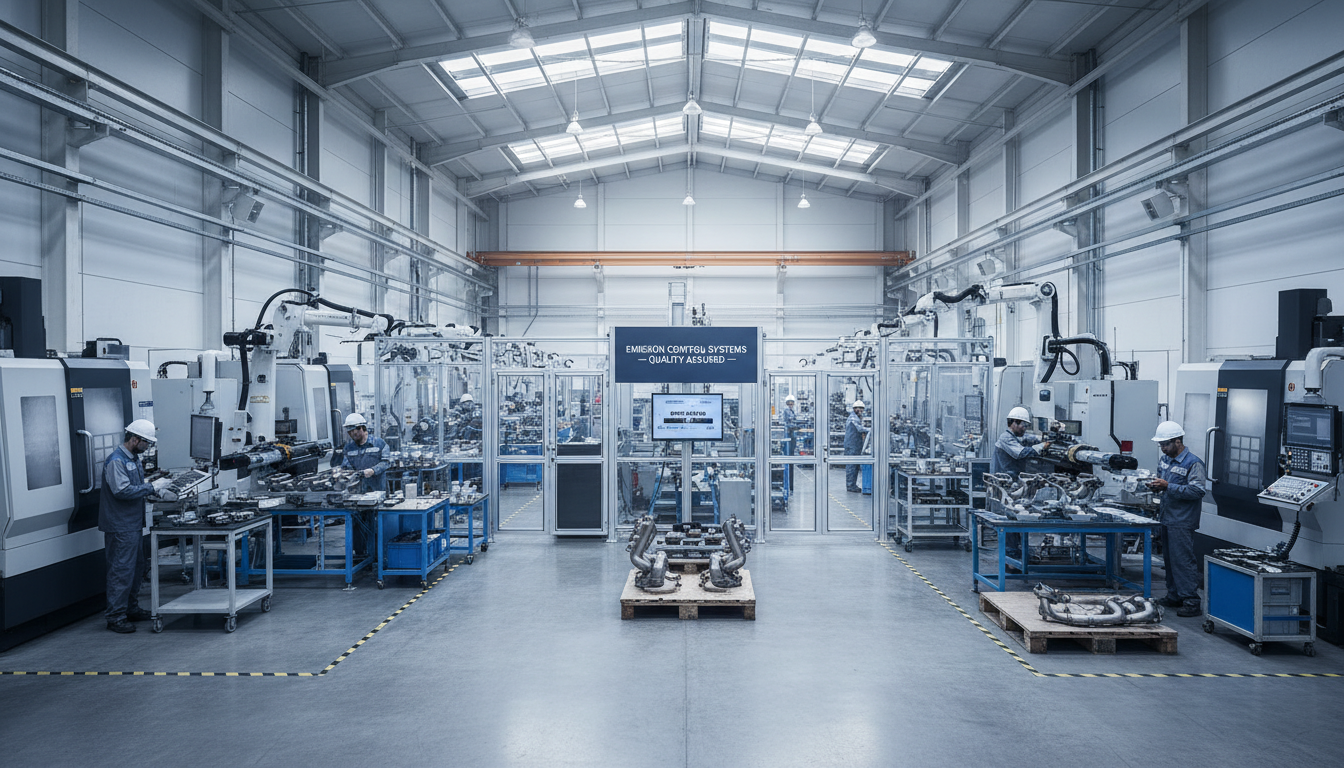
Automation is another critical component in the future of manufacturing process optimization. By automating repetitive and mundane tasks, manufacturers can focus on more strategic activities that require human insight. This shift not only enhances productivity but also improves quality and safety in manufacturing environments.
Robotic Process Automation (RPA) and collaborative robots, or cobots, are examples of how automation is transforming manufacturing. These technologies work alongside human workers, handling tasks like assembly, material handling, and packaging, thereby streamlining operations and reducing errors.
Sustainability and Efficiency
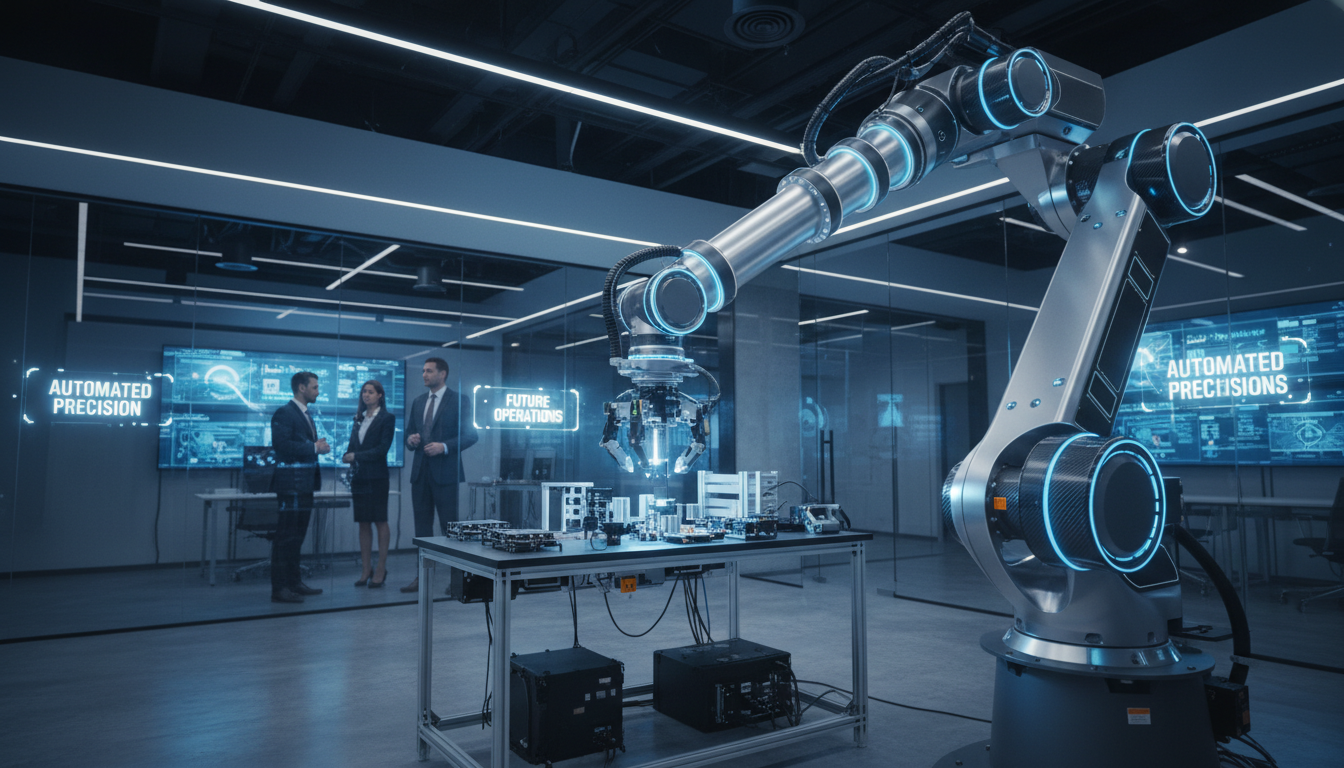
As environmental concerns become increasingly pressing, sustainability is a key focus in manufacturing process optimization. Companies are exploring ways to reduce their carbon footprint and waste production while maintaining high levels of efficiency. This approach not only meets regulatory requirements but also aligns with consumer expectations for greener products.
Incorporating sustainable practices can involve optimizing energy consumption, using eco-friendly materials, and implementing circular economy models. These strategies not only contribute to environmental conservation but also offer cost savings and enhance brand reputation.
Looking Ahead
The future of manufacturing process optimization is bright, with numerous opportunities for growth and innovation. As technology continues to evolve, manufacturers must remain agile and open to adopting new solutions that can enhance their operations.
Investing in workforce training is also vital to ensure that employees can effectively use new technologies and contribute to optimization efforts. By fostering a culture of continuous improvement, manufacturers can thrive in an ever-changing landscape.
Conclusion
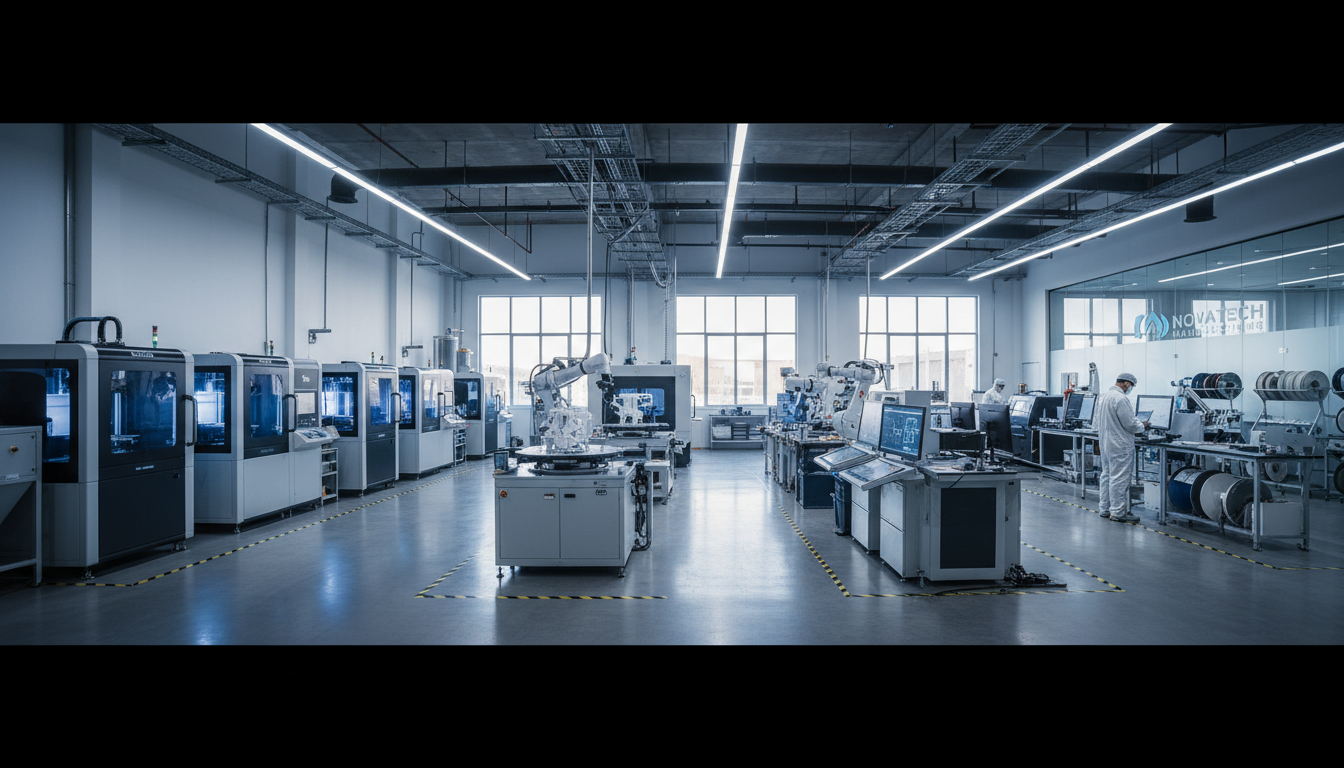
The journey towards optimized manufacturing processes is ongoing, with advancements in technology and sustainability leading the way. By embracing these changes and staying informed about industry trends, manufacturers can position themselves for success in the future. The focus should remain on leveraging technology, enhancing automation, and prioritizing sustainability to drive efficiency and growth.