Expert Tips for Implementing Successful Business Strategies in Manufacturing


Understanding the Manufacturing Landscape
In the ever-evolving world of manufacturing, implementing successful business strategies is crucial for staying competitive. With technological advancements and market demands constantly changing, manufacturers need to adapt and innovate. Understanding the current landscape is the first step. This includes recognizing trends such as automation, sustainability, and digital transformation.
Setting Clear Objectives
Before embarking on any strategic implementation, it’s essential to set clear, measurable objectives. These objectives should align with the company’s overall mission and vision. By defining specific goals, businesses can focus their efforts on achieving tangible results. Consider using the SMART criteria—Specific, Measurable, Achievable, Relevant, and Time-bound—to guide your objective-setting process.
Prioritizing Customer Needs
Understanding and prioritizing customer needs can significantly impact the success of a manufacturing strategy. Conduct thorough market research to gather insights into customer preferences and expectations. This information can guide product development and improve customer satisfaction, ultimately leading to increased loyalty and sales.

Leveraging Technology
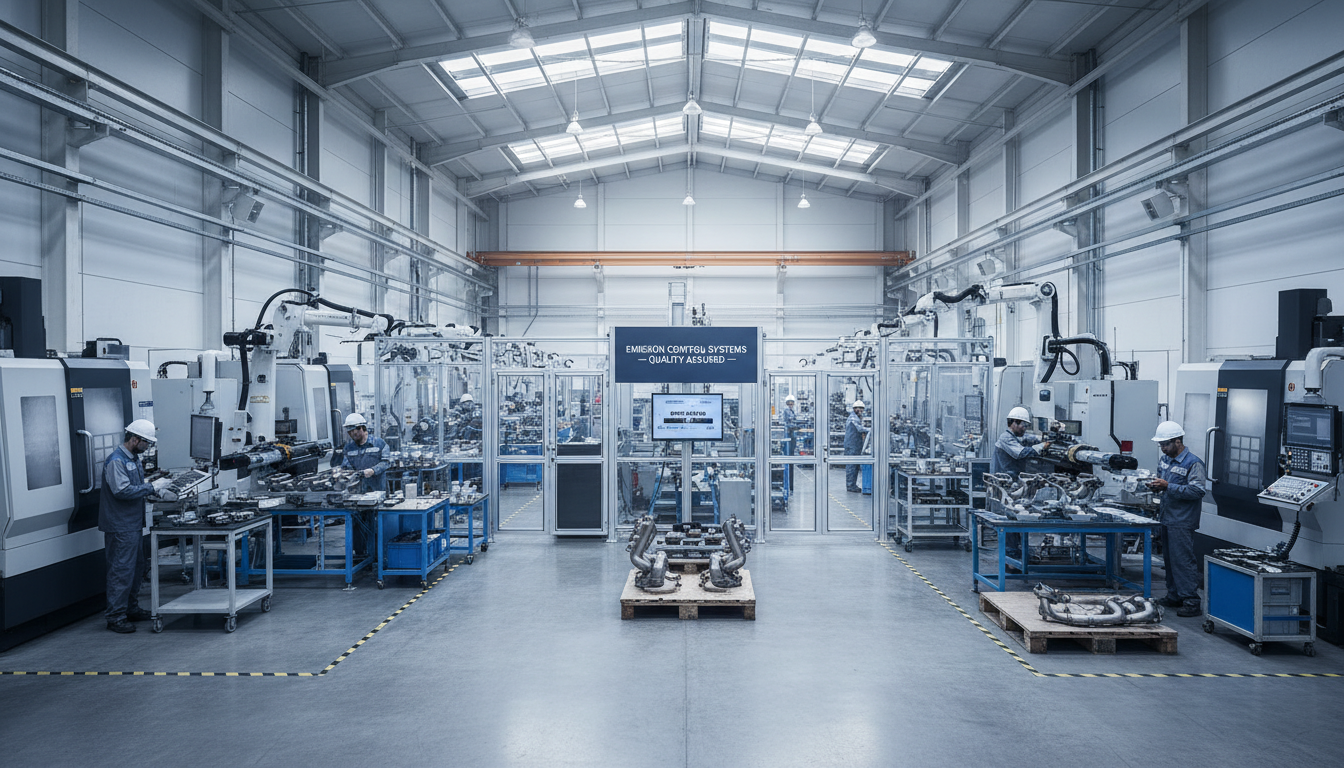
Technology plays a pivotal role in modern manufacturing strategies. From automation and robotics to the Internet of Things (IoT) and artificial intelligence (AI), leveraging technology can enhance efficiency, reduce costs, and improve product quality. Investing in the right technologies can provide a competitive edge and drive innovation within the organization.
Implementing Lean Manufacturing
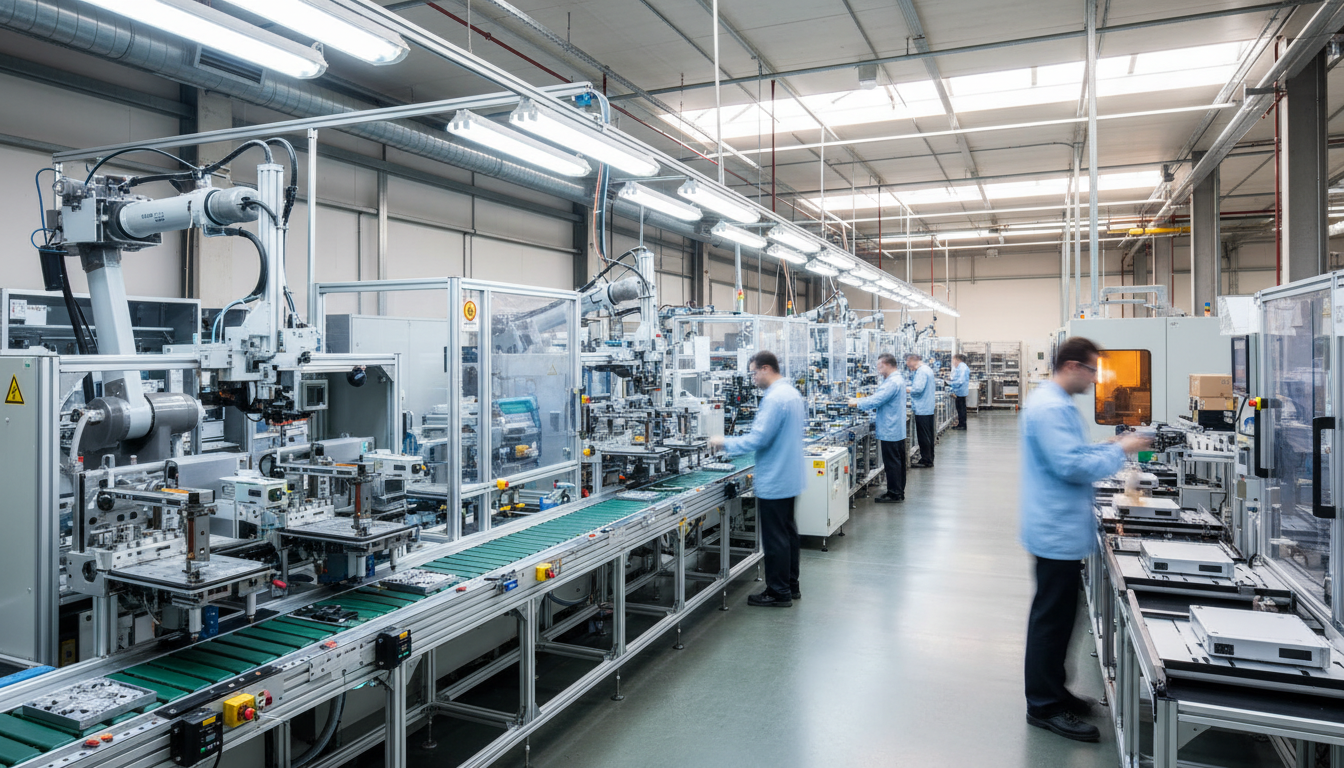
Lean manufacturing focuses on minimizing waste and maximizing productivity. By streamlining processes and eliminating inefficiencies, businesses can improve their bottom line. Key principles of lean manufacturing include continuous improvement, respect for people, and just-in-time production. Implementing these principles can lead to significant cost savings and improved operational efficiency.
Building a Skilled Workforce
A skilled workforce is the backbone of any successful manufacturing strategy. Investing in employee training and development ensures that the team is equipped with the necessary skills to adapt to new technologies and processes. Encourage a culture of continuous learning and innovation to keep your workforce motivated and engaged.
Fostering Collaboration
Collaboration across departments and with external partners can lead to more innovative solutions and improved outcomes. Encourage open communication and teamwork to harness the collective expertise of your organization. By fostering a collaborative environment, businesses can drive innovation and achieve strategic goals more effectively.

Monitoring and Evaluation
Regular monitoring and evaluation of implemented strategies are crucial for continuous improvement. Use key performance indicators (KPIs) to measure success and identify areas for improvement. By analyzing data and feedback, businesses can make informed decisions and refine their strategies to better meet objectives.
Implementing successful business strategies in manufacturing requires a comprehensive approach that encompasses clear objectives, technological advancements, lean principles, a skilled workforce, and continuous evaluation. By focusing on these key areas, manufacturers can navigate the complexities of the industry and achieve long-term success.