Expert Tips on Developing Customized Business Strategies in DE's Manufacturing Sector


Understanding the Importance of Customized Strategies
In the rapidly evolving manufacturing sector of DE, businesses must adopt customized strategies to stay competitive. Tailored approaches help address unique challenges and leverage specific opportunities within the industry. By focusing on the distinct needs of a company, customized strategies can drive efficiency, innovation, and growth.
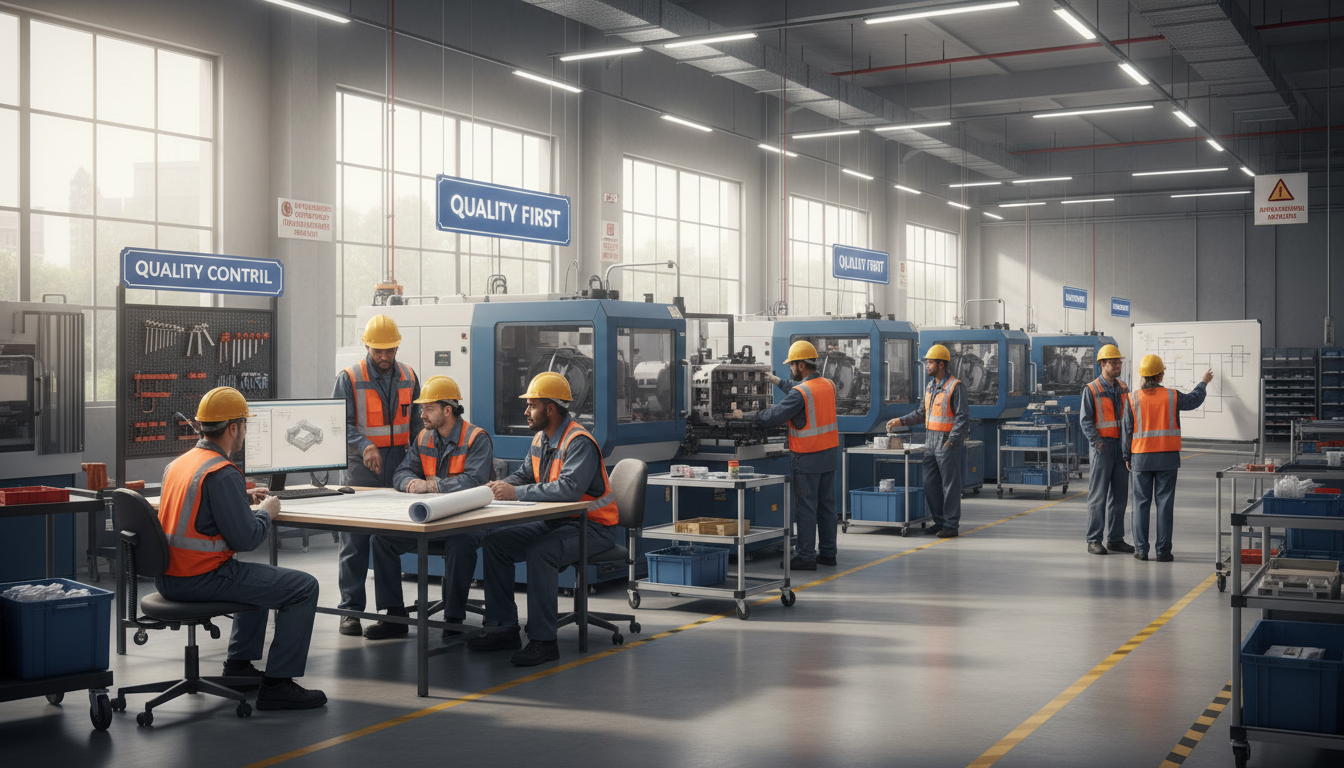
Customization involves aligning business goals with market demands and technological advancements. This alignment not only enhances operational effectiveness but also maximizes return on investment. As the manufacturing landscape becomes increasingly complex, the ability to adapt and innovate is crucial for survival and success.
Conducting a Comprehensive Market Analysis
A thorough market analysis is essential for developing a customized business strategy. This involves understanding the competitive landscape, identifying key trends, and recognizing customer needs. By gathering and analyzing data, companies can make informed decisions that set them apart from competitors.
Market analysis should also include evaluating potential risks and opportunities. This helps businesses anticipate changes and adapt strategies accordingly. A proactive approach ensures that companies can capitalize on emerging trends and avoid pitfalls.

Leveraging Advanced Technologies
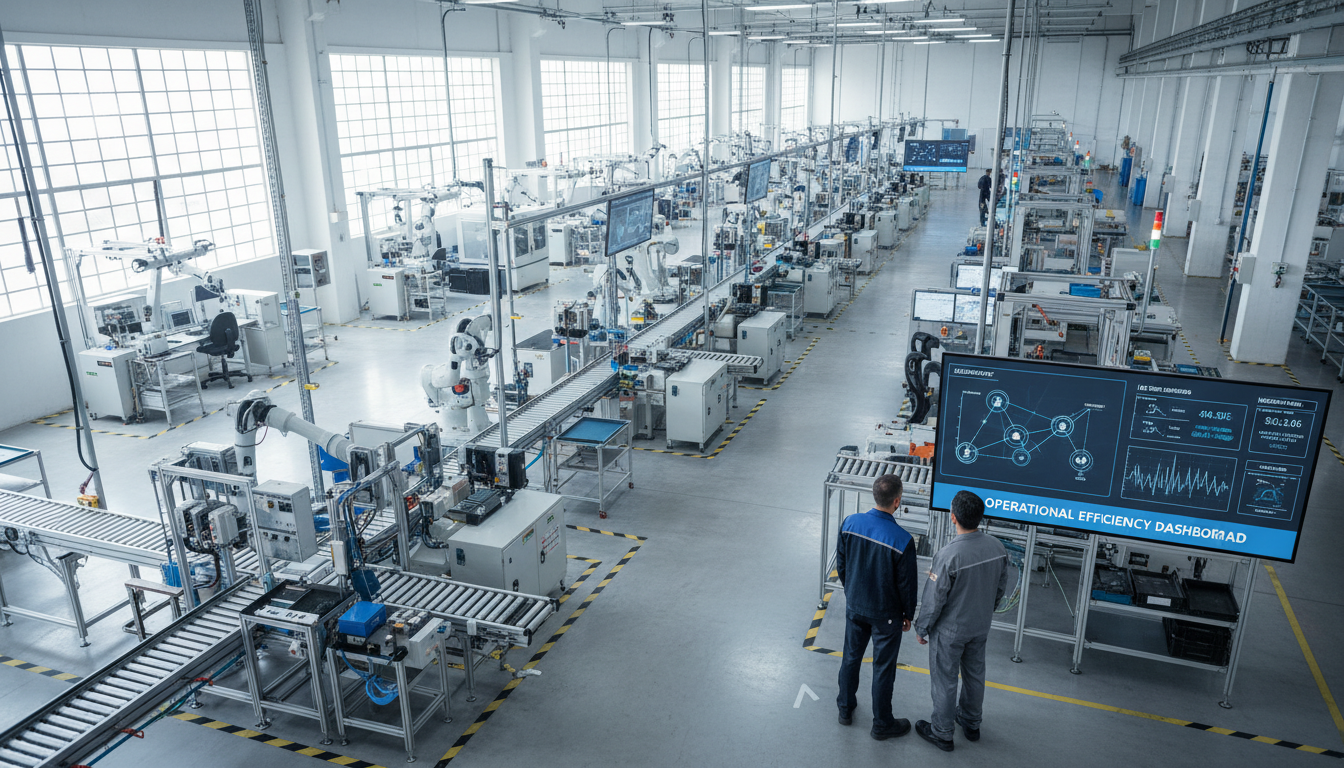
Incorporating advanced technologies is a cornerstone of modern manufacturing strategies. Technologies such as AI, IoT, and automation can significantly enhance production efficiency and product quality. By integrating these technologies into their operations, manufacturers can streamline processes and reduce costs.
It's important to evaluate which technologies align best with a company's objectives. A strategic investment in technology can lead to substantial long-term benefits, including increased productivity and improved customer satisfaction.
Fostering a Culture of Innovation
Creating a culture that encourages innovation is critical for implementing successful customized strategies. Employees should feel empowered to propose new ideas and solutions. This fosters an environment where creativity thrives, leading to the development of unique products and services.
Regular training and development programs can further enhance a culture of innovation. By keeping employees updated with the latest industry trends and technologies, companies can maintain a competitive edge and stimulate continual improvement.
Building Strategic Partnerships
Establishing strong partnerships with suppliers, distributors, and other stakeholders can enhance a business's strategic position. Collaborative efforts can lead to shared resources, reduced costs, and access to new markets. Effective partnerships can also drive innovation by combining expertise and knowledge.
When selecting partners, it's crucial to ensure alignment in values and objectives. A well-chosen partnership can significantly contribute to a company's success and sustainability in the competitive manufacturing sector.

Measuring and Adjusting Strategies
Once a strategy is in place, continuous measurement and adjustment are necessary to ensure its effectiveness. Key performance indicators (KPIs) should be established to monitor progress and identify areas for improvement. Regular reviews allow companies to adapt strategies to changing conditions and maintain alignment with business goals.
Flexibility and responsiveness are vital in the dynamic manufacturing environment. By consistently evaluating performance and making necessary adjustments, businesses can achieve sustained growth and success.