How Digital Transformation Strategy Experts in DE Revolutionize Manufacturing


Introduction to Digital Transformation in Manufacturing
In the fast-paced world of manufacturing, staying competitive requires more than just traditional methods. Digital transformation has become a crucial strategy for businesses looking to innovate and improve efficiency. In Germany, known for its engineering prowess, digital transformation strategy experts are at the forefront of this revolution.
These experts are helping manufacturers integrate cutting-edge technologies to streamline operations, reduce costs, and enhance product quality. By leveraging data analytics, automation, and Internet of Things (IoT) technologies, they are setting new standards for the industry.

The Role of Data Analytics
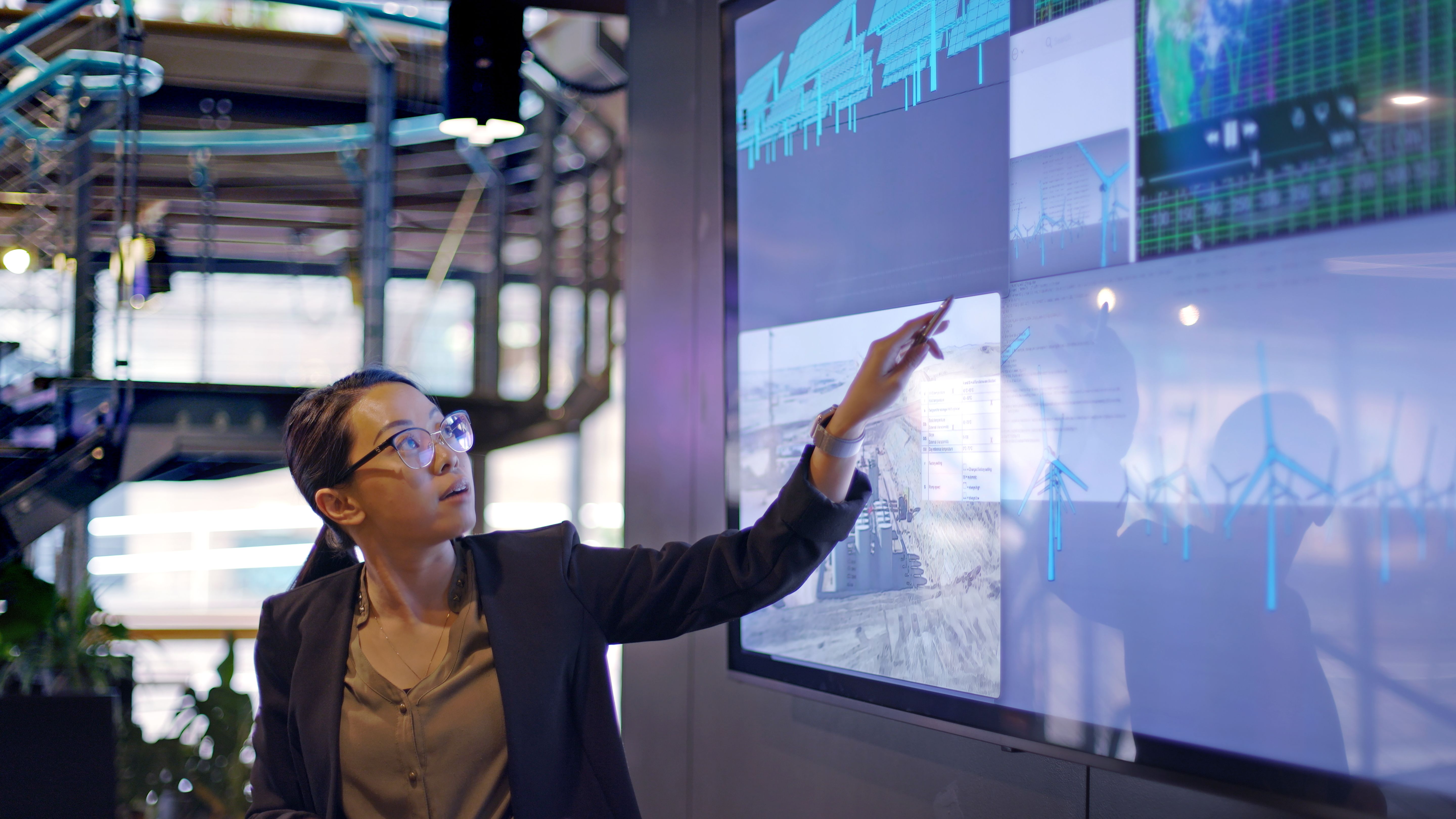
Data analytics plays a pivotal role in digital transformation. By collecting and analyzing vast amounts of data from various sources, manufacturers can gain valuable insights into their operations. This information helps in making informed decisions, predicting maintenance needs, and optimizing production processes.
German experts are renowned for their precision and accuracy, ensuring that data analytics is implemented effectively. This leads to reduced downtime, increased productivity, and a more agile manufacturing environment.
Automation and Robotics
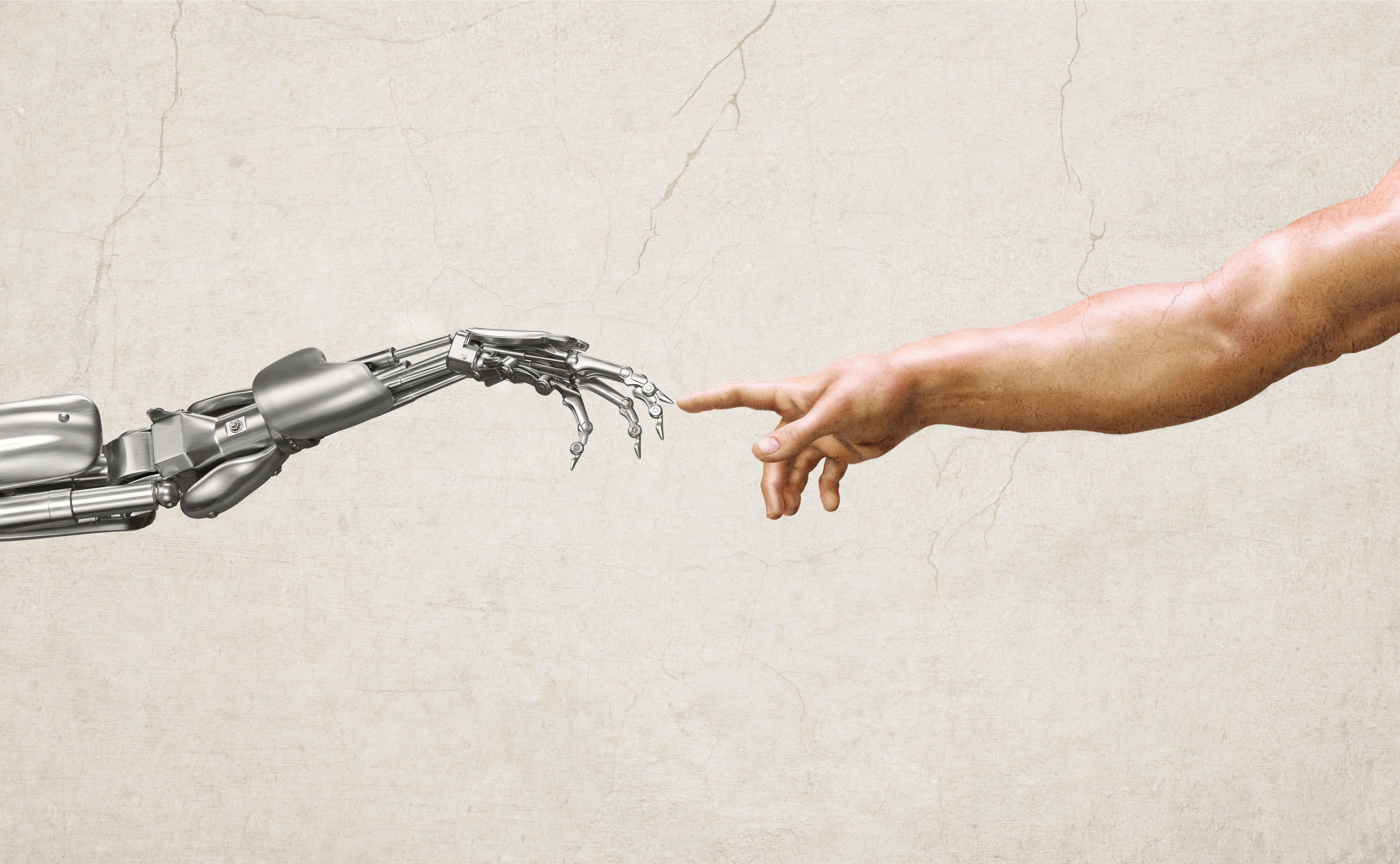
Automation and robotics are transforming how manufacturing is done. By automating repetitive tasks, manufacturers not only increase efficiency but also improve safety and quality. Robots can perform tasks with precision that exceeds human capabilities, reducing errors and waste.
In Germany, the integration of robotics is a key focus area. With a strong emphasis on innovation, German manufacturers are using robotics to enhance flexibility and adaptability in production lines.
Internet of Things (IoT) in Manufacturing
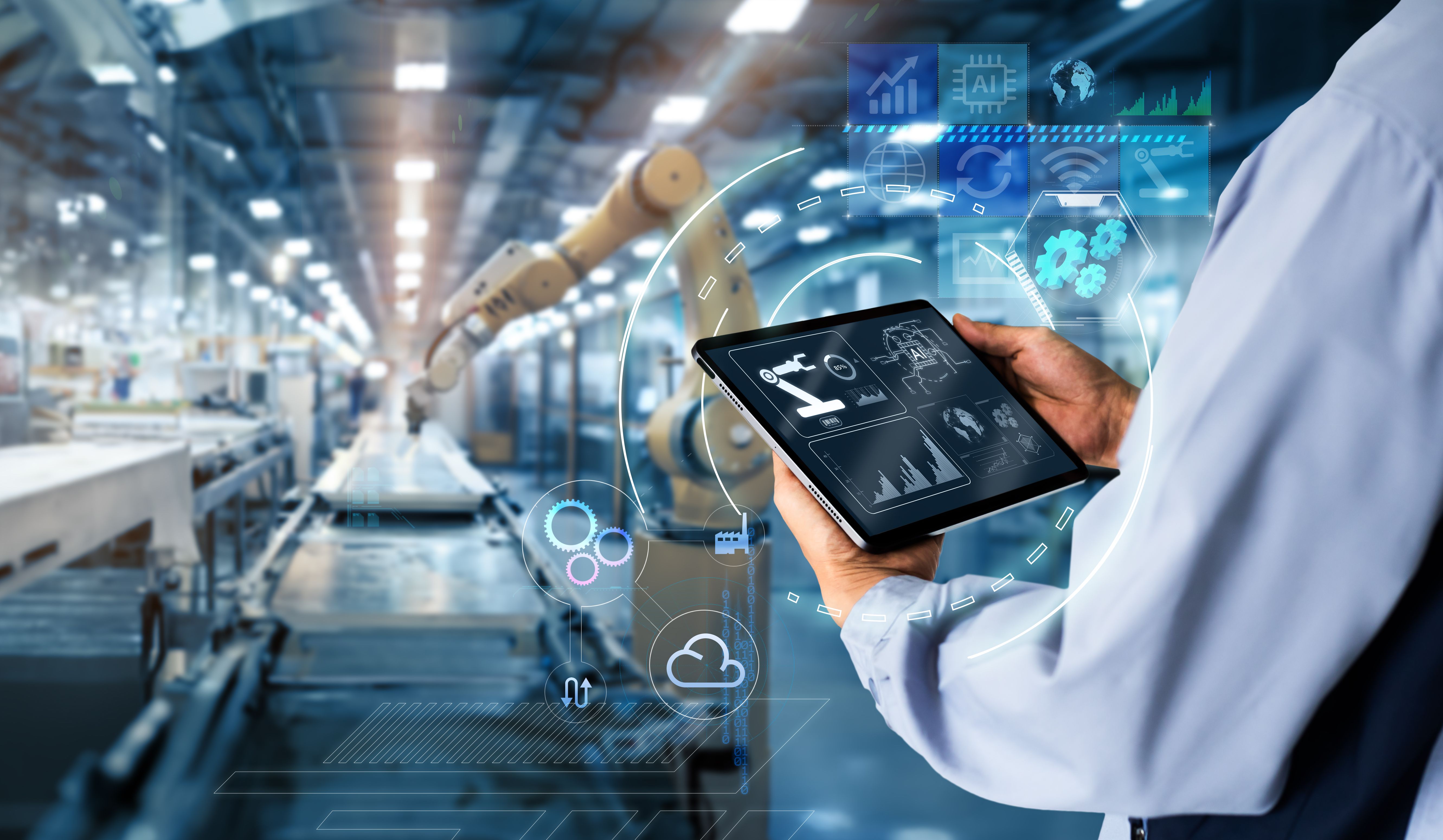
The Internet of Things (IoT) is another critical component of digital transformation. By connecting machines and devices, IoT enables real-time monitoring and control of manufacturing processes. This connectivity allows for predictive maintenance and more efficient resource management.
Experts in Germany are leveraging IoT to create smart factories where every aspect of production is interconnected. This not only enhances productivity but also aligns with sustainability goals by optimizing energy use and reducing waste.
Challenges and Opportunities
While the benefits of digital transformation are clear, implementing these strategies is not without challenges. Companies must address issues like data security, integration of legacy systems, and the need for skilled personnel.
However, the opportunities are vast. By embracing digital transformation, manufacturers can gain a competitive edge, improve customer satisfaction, and pave the way for future innovations.
Conclusion
Digital transformation strategy experts in Germany are playing a vital role in revolutionizing manufacturing. By focusing on data analytics, automation, IoT, and other technologies, they are helping companies navigate the complexities of modern manufacturing.
As these strategies continue to evolve, manufacturers worldwide can look to Germany as a model for successfully integrating digital transformation into their operations.