How to Improve Manufacturing Processes: Expert Tips from Velvet Operations Group


Streamlining Production with Lean Manufacturing
Lean manufacturing is a powerful methodology that focuses on minimizing waste without sacrificing productivity. It's about doing more with less, which involves identifying and eliminating non-value-adding activities. By implementing lean techniques, manufacturers can enhance efficiency, reduce costs, and improve product quality.
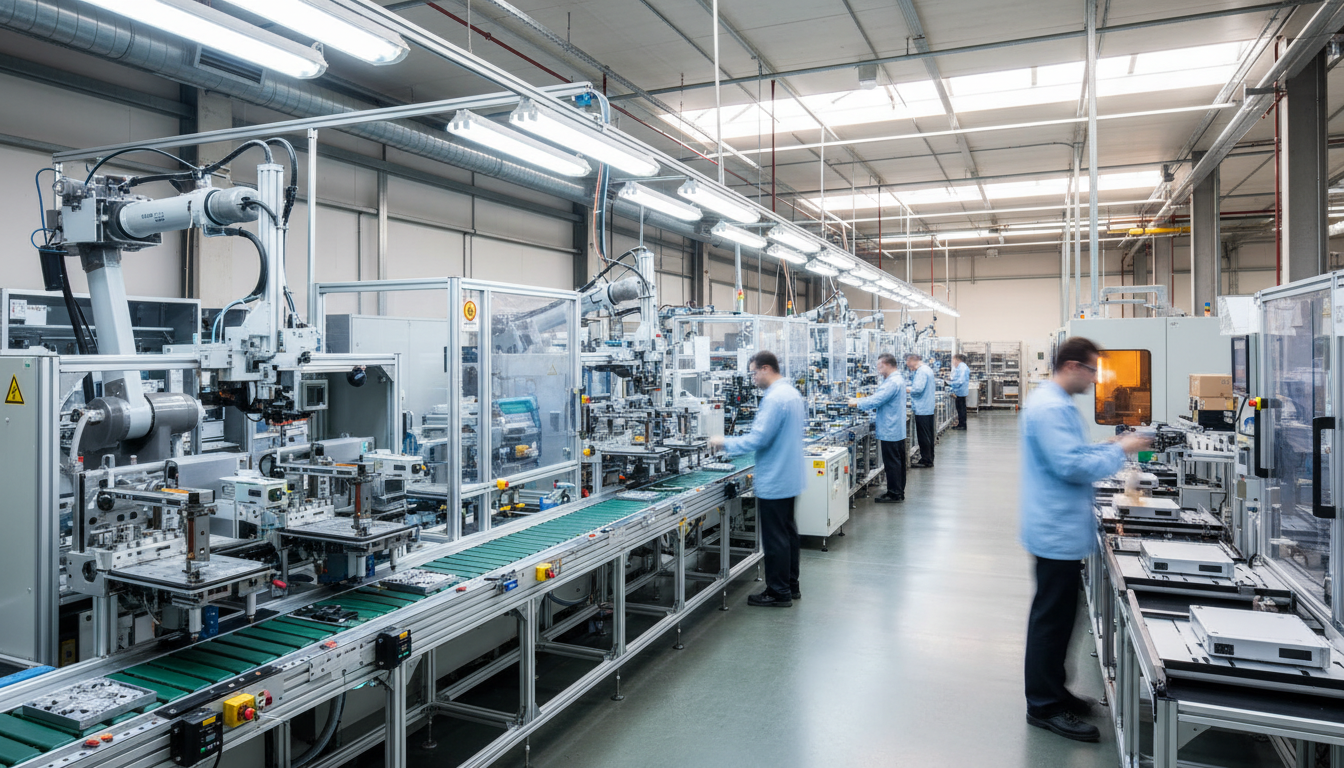
One of the key principles of lean is continuous improvement, often referred to as "Kaizen." This involves making small, incremental changes rather than large-scale transformations. By fostering a culture of continuous improvement, companies can adapt more readily to changes and stay ahead of the competition.
Utilizing Technology for Process Optimization
In the modern manufacturing landscape, technology plays a crucial role in optimizing processes. Implementing advanced manufacturing technologies such as robotics, IoT, and AI can significantly increase efficiency and precision. These technologies not only automate repetitive tasks but also provide valuable data insights for better decision-making.
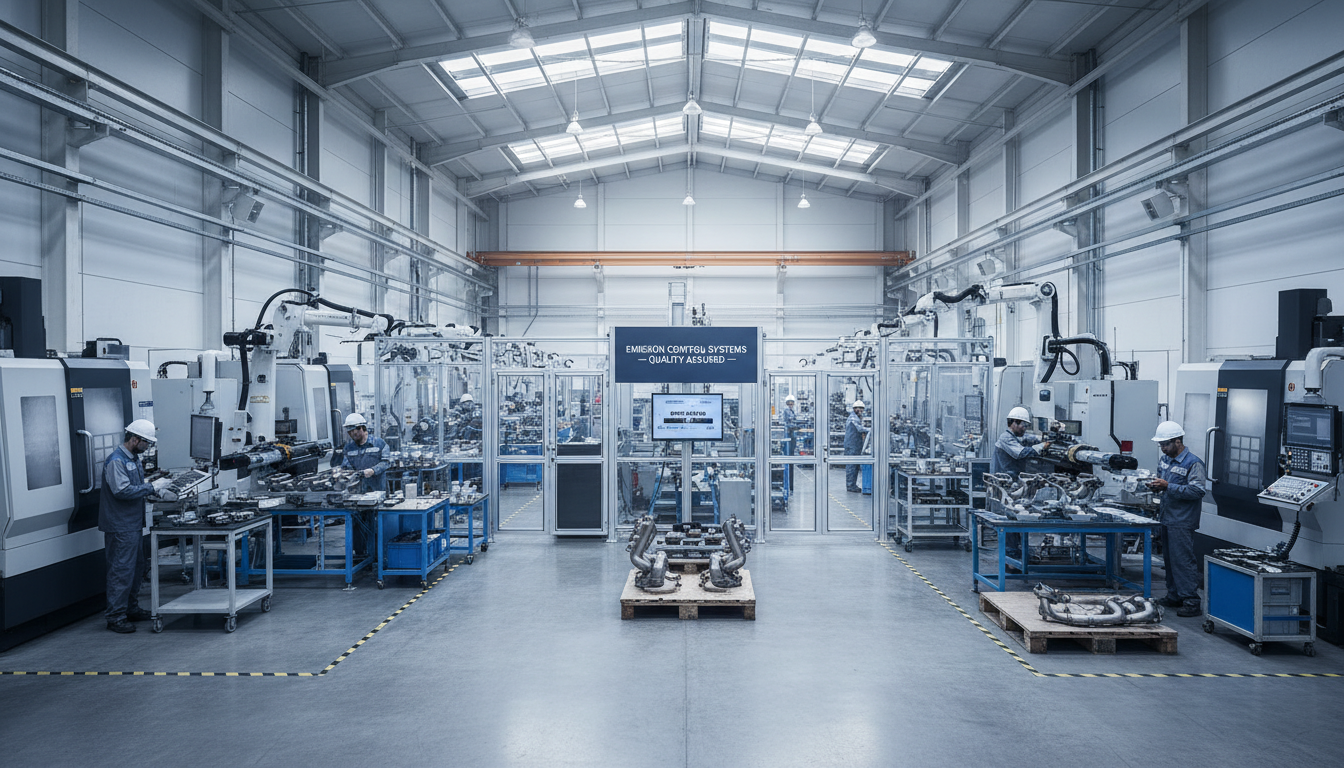
For instance, predictive maintenance powered by IoT sensors can help manufacturers anticipate equipment failures before they occur. This reduces downtime and extends the lifespan of machinery, ensuring smoother operations and cost savings.
Enhancing Quality Control Measures
Quality control is paramount in manufacturing. Implementing rigorous quality checks at various stages of production helps in maintaining high standards and reducing defects. Employing statistical process control (SPC) tools can aid in monitoring production processes and ensuring consistent quality.

Velvet Operations Group suggests adopting a proactive approach to quality management. This involves not just detecting defects but preventing them by identifying potential causes and implementing corrective actions swiftly.
Improving Supply Chain Management
A well-optimized supply chain is crucial for efficient manufacturing processes. By enhancing supply chain visibility and collaborating closely with suppliers, manufacturers can ensure timely delivery of materials and components, reducing bottlenecks and delays.
Utilizing supply chain management software can provide real-time tracking of inventory levels and streamline procurement processes. This ensures that production lines are always adequately supplied, minimizing interruptions.
Fostering a Skilled Workforce
Investing in workforce training and development is essential for improving manufacturing processes. A skilled workforce can adapt to new technologies and methodologies more effectively, driving innovation and efficiency.

Velvet Operations Group recommends regular training sessions and workshops to keep employees updated on the latest industry trends and technologies. Encouraging a culture of learning and development can lead to higher job satisfaction and lower turnover rates.