Preparing for Seasonal Changes in Manufacturing: A Strategic Approach


Understanding Seasonal Changes in Manufacturing
Manufacturing is a dynamic industry that often faces challenges due to seasonal changes. These fluctuations can significantly impact production schedules, inventory levels, and workforce management. Understanding these changes is crucial for maintaining efficiency and meeting customer demands.
Seasonal variations can be triggered by a variety of factors, including holidays, weather conditions, and consumer buying patterns. Manufacturers must be proactive in anticipating these changes to minimize disruptions and capitalize on opportunities.
Evaluating Historical Data
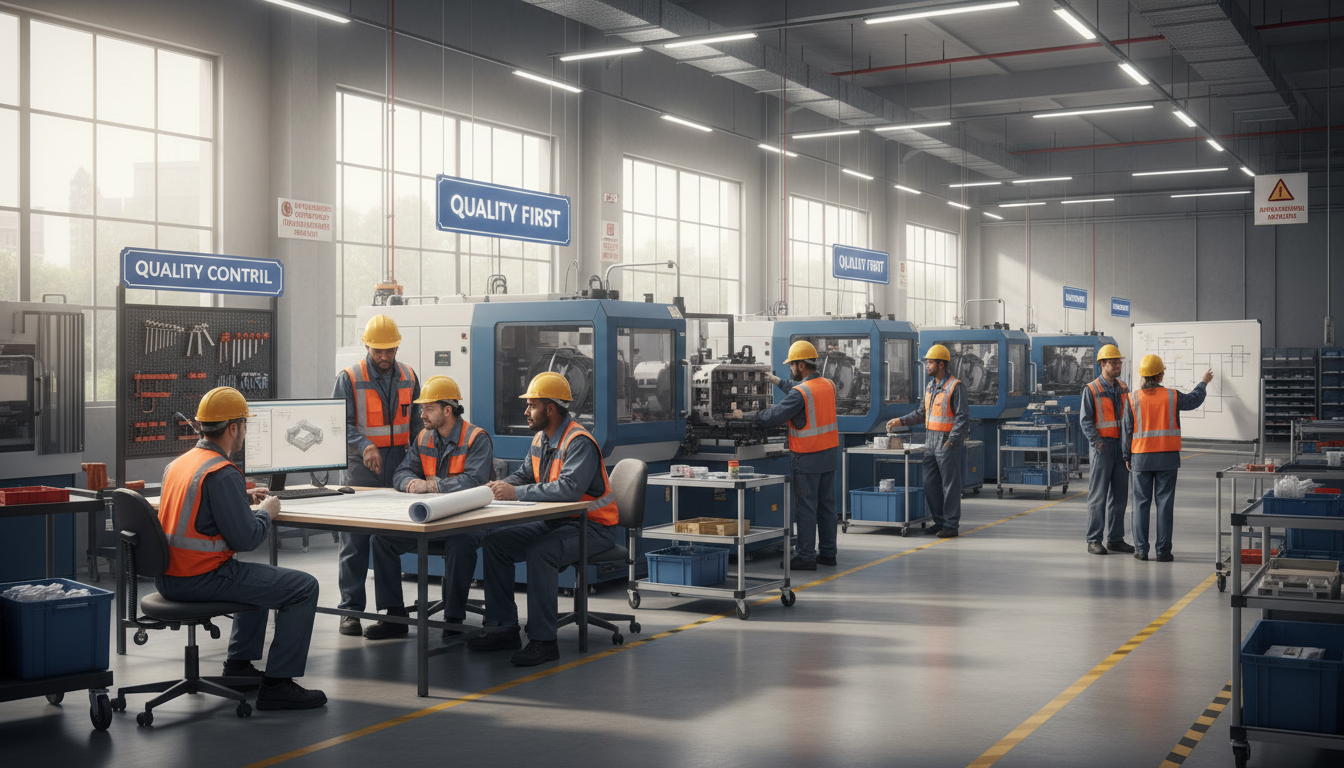
One effective way to prepare for seasonal changes is by evaluating historical data. Analyzing past sales and production data can provide valuable insights into trends and patterns. This information can help manufacturers anticipate demand spikes or lulls and adjust their strategies accordingly.
By leveraging data analytics, companies can make informed decisions about inventory levels, workforce allocation, and production scheduling. This proactive approach can lead to increased efficiency and reduced waste.
Implementing Flexible Scheduling
Flexible scheduling is another critical strategy for managing seasonal changes. This involves adjusting work hours, shifts, and staffing levels to align with fluctuating demand. By implementing a flexible workforce strategy, manufacturers can ensure they have the right number of employees at the right times.

Optimizing Supply Chain Management
Supply chain management plays a vital role in handling seasonal variations. Manufacturers must collaborate closely with suppliers to ensure timely delivery of raw materials and components. Developing strong relationships with suppliers can lead to better communication and more reliable supply chains.
Consider diversifying your supplier base to reduce dependency on a single source. This strategy can mitigate risks and provide more options during peak seasons when demand is high.
Investing in Technology
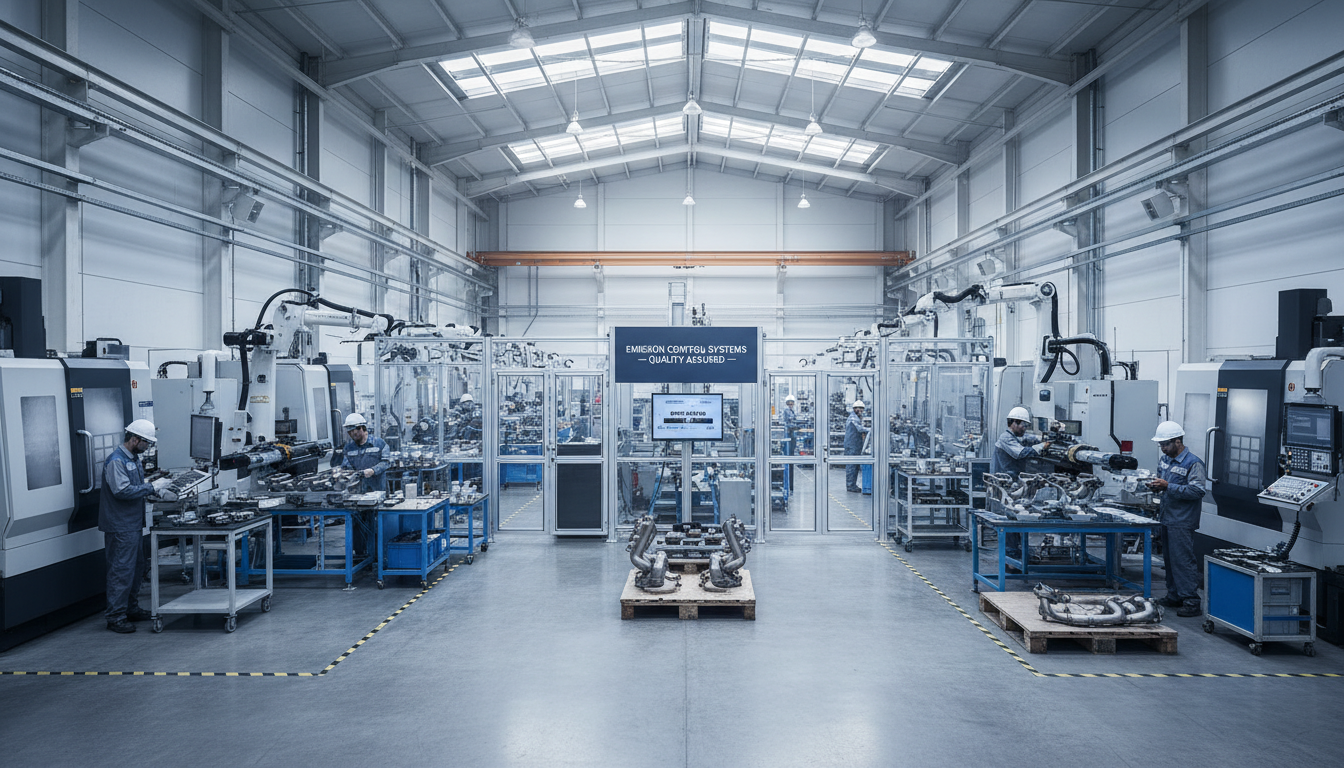
Technology can be a game-changer in preparing for seasonal changes. Investing in advanced manufacturing technologies, such as automation and IoT, can enhance operational efficiency and flexibility. These technologies enable real-time monitoring and data analysis, allowing for quicker adjustments to production processes.
Fostering Strong Communication
Effective communication within the organization and with external partners is essential during seasonal transitions. Regular meetings and updates can help keep everyone informed and aligned with the company’s goals and strategies.
Encourage open communication channels where employees can share insights and feedback. This collaborative environment fosters innovation and problem-solving, leading to more effective responses to seasonal changes.
Planning for Contingencies
Finally, contingency planning is a critical component of preparing for seasonal changes. Develop contingency plans for potential disruptions, such as supply chain interruptions or unexpected demand surges. Having a backup plan can minimize the impact of unforeseen events and ensure a smoother transition through seasonal shifts.
By taking a strategic approach to seasonal changes, manufacturers can enhance their resilience and adaptability, ultimately leading to sustained success in a competitive market.