The Future of Sustainable Manufacturing: Trends and Innovations


Embracing Sustainable Manufacturing
The future of manufacturing is being reshaped by the pressing need for sustainability. As industries strive to minimize environmental impact, they are adopting innovative practices that promise a more sustainable future. This shift is not just a trend but a necessary evolution to ensure both ecological balance and economic viability.

Key Trends Driving Change
Several key trends are at the forefront of sustainable manufacturing. Firstly, the use of renewable energy sources is gaining momentum. Manufacturers are increasingly investing in solar, wind, and other renewable energies to power their operations. This transition not only reduces carbon footprints but also cuts down on long-term energy costs.
Another significant trend is the adoption of circular economy principles. By focusing on recycling, reusing, and reducing waste, manufacturers can extend the life cycle of products and materials. This approach not only conserves resources but also aligns with consumer expectations for eco-friendly products.
Technological Innovations
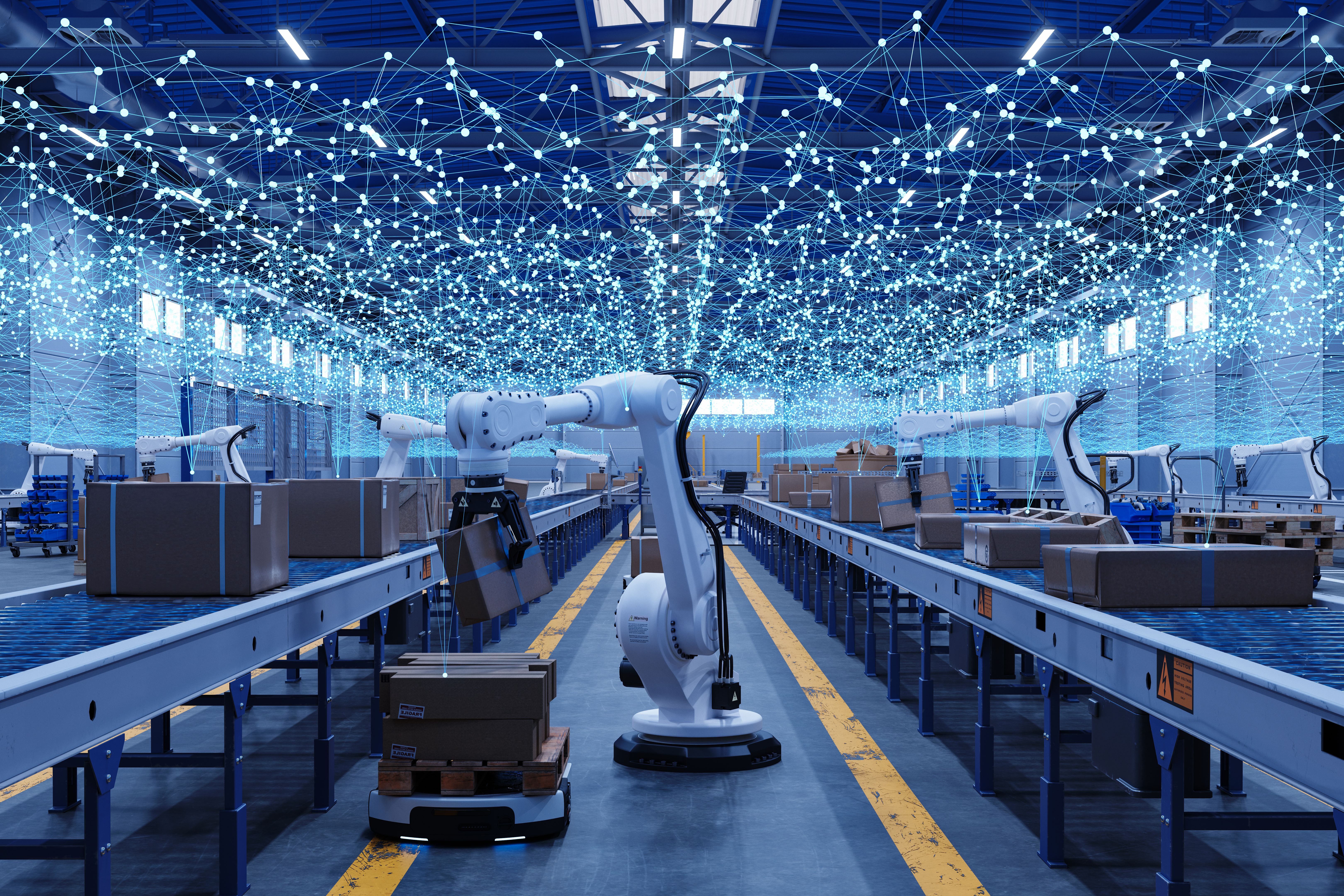
Technology plays a crucial role in advancing sustainable manufacturing. The Internet of Things (IoT) and smart manufacturing systems enable real-time monitoring and optimization of production processes. These technologies help in minimizing waste and maximizing efficiency by providing valuable insights into resource use.
In addition, advancements in material science are leading to the development of sustainable materials. Biodegradable plastics and eco-friendly composites are increasingly being used as alternatives to traditional materials, reducing the environmental impact of manufacturing processes.
Challenges and Opportunities
While the move towards sustainable manufacturing presents numerous opportunities, it also comes with challenges. Initial investments in renewable energy and new technologies can be substantial. However, the long-term benefits, including cost savings and enhanced brand reputation, often outweigh these initial costs.
Moreover, regulatory frameworks are evolving to support sustainable practices. Governments worldwide are implementing policies and incentives that encourage manufacturers to adopt greener technologies and processes. This regulatory support is crucial in driving widespread adoption of sustainable practices.

The Role of Collaboration
Collaboration is essential for the future of sustainable manufacturing. Partnerships between companies, research institutions, and governments can accelerate innovation and implementation. By sharing knowledge and resources, stakeholders can overcome common barriers and work towards a more sustainable industrial landscape.
Additionally, engaging with consumers and educating them about sustainable practices can drive demand for eco-friendly products. This consumer-driven demand further incentivizes manufacturers to adopt sustainable practices.
Conclusion
The future of sustainable manufacturing is promising, with numerous trends and innovations paving the way for a greener industrial era. As manufacturers continue to embrace renewable energy, circular economy principles, and technological advancements, they not only contribute to environmental sustainability but also position themselves as leaders in a rapidly evolving market.
Ultimately, the journey towards sustainable manufacturing is a collaborative effort that requires commitment and innovation from all stakeholders. By embracing these changes, the manufacturing industry can achieve a more sustainable and prosperous future for all.